JPay
- 3.9
- Rating
- 5.00M
- Installs
- Free
- Price

 Analysis by App-foxy
Staying in contact with someone in a correctional facility is not quite like keeping up with a friend through ordinary messaging. The available channels, payment needs, and practical limits can all change the experience. That is where JPay fits: it is a finance-focused app from Jpay Mobile that brings money transfers and facility communication tools together in one mobile experience. I found its main value in reducing the number of separate steps involved when I needed to support someone and keep a line of contact open.
The app is free to install and is rated for Teen users. It has been available since October 15, 2012, and its current version is 26.3.0 for devices running at least iOS or Android 11. Its average rating is 3.9 from around 104 thousand ratings, with roughly 36 thousand written reviews and more than 5 million installs. Those figures suggest a large, active audience, but they also hint at an important point: this is a practical service app whose usefulness depends heavily on whether the relevant correctional facility supports the functions you need.
Why combining support and communication matters
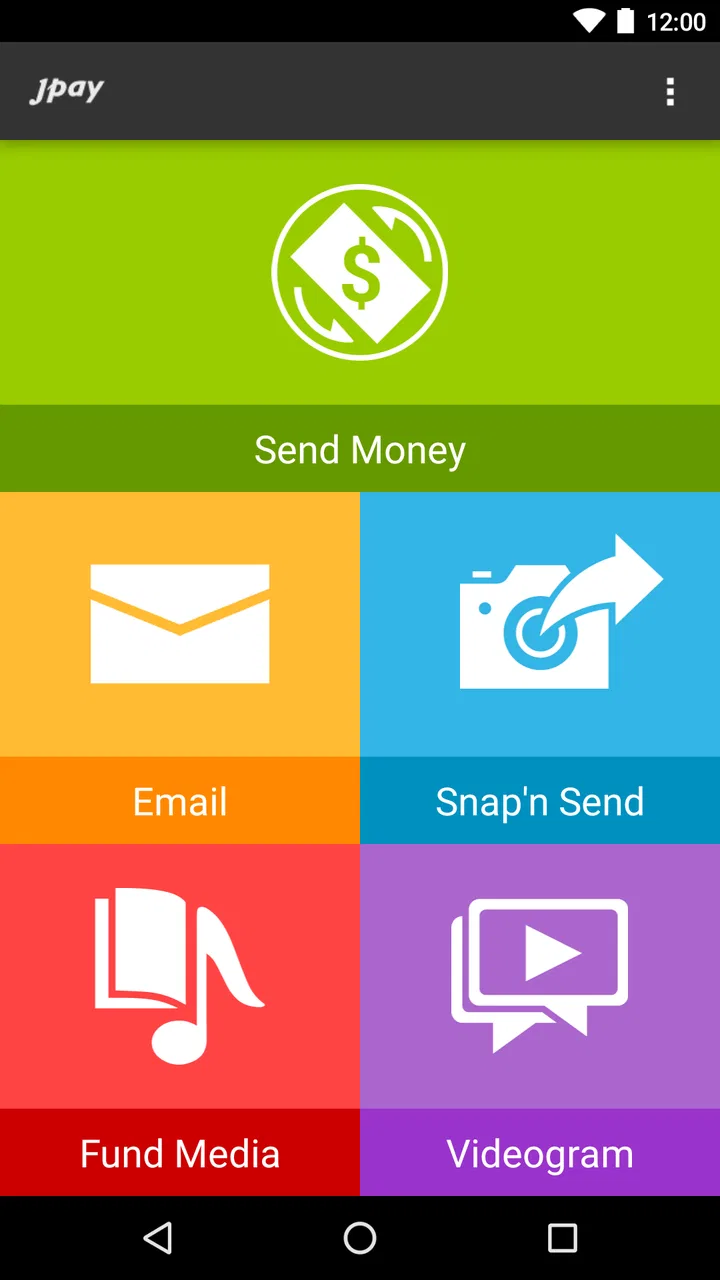
The capability I kept coming back to is the combination of sending money with sending and receiving Emails and photos. In a normal finance app, transferring money is usually the entire job. In a normal messaging app, conversation is the focus. JPay connects these two needs because, for families and friends of incarcerated people, financial support and communication often belong to the same routine.
You May Also Like

 Blood Strike: 2.5 Anniversary
Blood Strike’s Loadouts Turn Every Drop Into a Tactical Gamble
A close look at Blood Strike’s custom loadouts: how fast access to signature weapons reshapes its battle royale rhythm, rewards preparation, and narrows the gap between fights.

 Pandora - Music & Podcasts
Pandora’s Music Is Easy to Start, but Harder to Recover
Pandora’s strength is its low-effort path from a seed to a station. Its weak spot is how much confidence it asks you to place in connection, setup, and quiet recovery.

 8 Ball Pool
 Is Built on Rivalries, Rematches, and Routine
A close look at the rivalries, rematches, shared routines, and unanswered safety questions that turn a quick pool match into a persistent mobile community.

 Samsung Music
’s Quiet Strength Is Playing What You Already Own
Its reach comes less from spectacle than from dependable access to a personal library. That simplicity is both the app’s strongest retention engine and its ceiling.

 AccuWeather: Weather Radar
AccuWeather Review: A Quick, Clear Forecast for Everyday Decisions
For everyday plans, the best forecast is the one you can understand quickly. AccuWeather makes rain timing, radar, and local conditions easy to act on, with a few trade-offs.

 Hill Climb Racing
Why Hill Climb Racing Still Turns Crashes Into One More Run
A tiny car, a bumpy hill and one more upgrade: Hill Climb Racing keeps resurfacing because its simple chaos makes every near-miss feel personal.
More From Our News Desk



That combination is more meaningful than it may sound. If I am already opening the app to handle a payment, I can also check whether there is a message to answer or prepare a photo to send. I do not have to treat financial support and personal contact as unrelated tasks. The app gives both activities a shared place, which can make an emotionally difficult responsibility feel more organized.
I would not describe it as a replacement for everyday chat apps. It is not designed around casual group conversations, social feeds, or an open-ended contact list. Its purpose is narrower and more specific. That narrow focus is a strength when I need to communicate with a person connected to a participating correctional system, but it also means the app may feel unnecessary to someone who has no use for those services.
The practical meaning of sending money
Money transfers are not just another button inside this app. They are often the reason a person downloads it in the first place. A family member may need to provide financial support, while a friend may want to help with approved expenses or account needs. Having that task available on a phone is more convenient than relying on a desktop-only process or trying to manage every part of the relationship through separate channels.
My advice is to treat the transfer screen as a deliberate step rather than something to rush through. I would check the selected recipient, review the amount, and confirm that I am using the intended account or payment method before submitting anything. In a service where the recipient matters so much, a quick review is worth the extra moment. The mobile format makes sending convenient, but convenience should not turn into automatic tapping.
Another useful habit is separating communication planning from payment urgency. If I need to send money quickly, I can complete that task first and then return to Emails or photos when I have time to write carefully. That keeps a rushed transfer from becoming a rushed personal message. The app supports both activities, but they do not need to be handled with the same pace.
Messages and photos as part of the same workflow
The communication side gives the app a more personal purpose. Sending an Email through JPay feels less like posting a public update and more like maintaining a specific connection under unusual circumstances. I found that this works best when I write with clarity and patience. A short message with a real update, a question, and something encouraging is usually more useful than a vague note that simply says everything is fine.
Photos add another layer because a picture can communicate details that words cannot. A family moment, a familiar place, or a simple everyday image may help someone feel connected to life outside the facility. I would still choose images thoughtfully and make sure they are appropriate for the intended recipient and service context. The app makes sending photos possible, but it does not remove the need to consider privacy, sensitivity, and whether the image is genuinely meaningful.
A small workflow improvement helped me: I prepared the message first, selected the photo afterward, and reviewed both together before sending. That order reduced the chance of attaching an image without enough context. It also made the exchange feel more intentional instead of treating the photo as an afterthought.
How JPay works in everyday use
The first step is identifying the person you want to support or contact and then checking which available functions apply to that relationship. This is important because the app's usefulness is not identical for every user. The presence of a money feature, an Email feature, or photo sharing does not mean every account or facility connection will behave in exactly the same way. I would begin by confirming the recipient and available service options before planning around a particular workflow.
Once the recipient is selected, the app is easiest to understand when I treat it as two connected lanes. One lane handles financial support; the other handles communication. I can move between them, but I should not assume that completing one automatically completes the other. A transfer does not replace an Email, and sending a message does not handle a financial need. Keeping that distinction clear prevents misunderstandings.
The mobile design is most useful when I am managing a recurring responsibility. Instead of waiting until I have access to a computer, I can check the app during a quiet moment, handle a transfer, and write a message while the details are fresh. That flexibility matters for people who are balancing work, family, and other obligations. It is less impressive if I only need a one-time transaction and do not expect to use the communication tools afterward.
I also found that the app rewards careful record-keeping outside the app itself. For recurring support, I would note the date, recipient, purpose, and amount in a private place. The reason is not that the app is difficult to use; it is that repeated financial activity can become hard to remember. A simple personal log helps me distinguish a completed transfer from one I only intended to make, especially when communication and payment tasks happen close together.
A realistic family scenario
Imagine a relative who wants to help a loved one while also staying emotionally present. On a weekend morning, the relative opens JPay to send money, reviews the recipient details, and completes the transfer. Instead of closing the app immediately, they switch to the Email function and write about a child's school event, a family meal, or a small detail from the week. They attach a suitable photo, review the message once, and send it.
That sequence shows the app at its best. The financial task is handled, but the interaction does not stop at money. The recipient receives practical support and a personal update through the same service. For the sender, the routine is easier to remember because both responsibilities are gathered together. The app does not solve the emotional difficulty of being apart, but it can make staying involved feel more manageable.
There is also a useful distinction between urgent and meaningful use. If the family member only needs to send money, the transaction can remain focused and brief. If the goal is to maintain a relationship, the Email and photo tools deserve more attention. I would avoid turning every visit into a payment-only routine because the communication capability is what makes this app different from a basic transfer service.
Where the experience becomes less convenient
The biggest trade-off is specialization. JPay is not a universal payment app, and it is not a general messaging platform. Its value depends on the correctional-service relationship and the functions available for the intended recipient. Someone looking for ordinary peer-to-peer payments, broad bill management, or everyday chat should choose a different category of app. Downloading JPay without a clear need for its specific audience would likely lead to disappointment.
The second trade-off is that a mobile interface can make a serious action look deceptively simple. Sending money is convenient, but the consequences of selecting the wrong person or entering the wrong amount are more important than the smoothness of the screen. I recommend slowing down at the confirmation stage and checking the recipient name and transaction details every time, particularly when supporting more than one person.
Communication also requires realistic expectations. An Email or photo sent through a correctional communication service is not the same as an instant message exchanged between two phones. The recipient's access and the handling of the message depend on the service environment. I would therefore avoid writing anything that requires an immediate answer, and I would not use the app for time-sensitive emergencies. For urgent matters, a user should rely on the appropriate official or emergency channel instead.
Another limitation is emotional rather than technical. Because the app combines money and contact, it can make every interaction feel transactional if I am not careful. A person may open it only when financial support is needed, then leave without saying anything personal. I think the best experience comes from consciously separating the two intentions: send support when support is needed, and communicate because the relationship matters.
The rating of 3.9 shows that many people find the app useful, while the mixed response also fits the reality of a service with a narrow purpose and potentially sensitive transactions. I would not judge it like a casual entertainment app. A user may be satisfied with the core ability to complete an important task yet still dislike friction around account setup, recipient availability, or the broader service process. That is why I would decide based on the exact need rather than on the rating alone.
When another option is better
For ordinary money transfers between friends or relatives, a mainstream peer-to-peer payment service is usually a better fit because it is designed for that situation. For regular family conversations, a standard messaging app will normally offer a more familiar and flexible experience. JPay becomes the stronger choice when the recipient is connected to the correctional communication system it serves and when sending money and personal messages belong together.
I would also choose a different tool if my priority were detailed budgeting, bank account management, or broad financial planning. JPay's appeal is not that it replaces a bank. Its appeal is the connection between a specific kind of financial support and a specific kind of communication. Understanding that boundary prevents me from expecting features that belong to other finance categories.
Who benefits most from this focused design
The clearest audience is a family member or friend who needs a practical way to support an incarcerated person while preserving regular contact. For that user, the free app can simplify a recurring routine and keep money, Emails, and photos close at hand. It is especially useful for someone who prefers handling responsibilities from a phone rather than returning to a computer for every interaction.
It can also help a less technically confident sender because the purpose is straightforward: choose the relevant person, decide whether the task is financial or communicative, review the details, and complete it. I still would not skip the review step, but the focused design is less distracting than a broad financial dashboard filled with unrelated tools.
The app is less suitable for someone who wants an all-purpose finance manager, instant family chat, or a service with no connection to correctional facilities. It is also not the right choice for anyone who expects every message to receive an immediate reply or who wants to send money without checking recipient details carefully. In those situations, a conventional payment or messaging app will be more natural.
For me, the strongest insight is that JPay is valuable because it joins two kinds of support that are often separated: practical help and personal presence. The money-transfer function handles a concrete need, while Emails and photos help maintain a relationship. Neither side is a substitute for the other, and the app works best when I use both deliberately rather than treating communication as an optional extra.
Jpay Mobile has built a focused finance app for a very specific real-world situation. Its free availability and broad reach make it easy to try, but the decision should come from the recipient and the type of support required, not from the install count alone. If that situation matches yours, I would recommend giving it a careful try, keeping your transaction records, and using the messaging tools with intention. If you simply need everyday payments or casual chat, I would skip it and use an app designed for those ordinary tasks.
FAQs for JPay
01What is JPay and what services does it offer?
JPay is a comprehensive platform designed to facilitate communication and financial transactions between inmates and their families. The app provides services such as sending money, purchasing electronic stamps for emailing inmates, and video visitation. It’s a convenient way to stay connected with loved ones who are incarcerated, ensuring efficient and secure interactions.
02How secure is the JPay app for transactions?
JPay employs advanced security measures to protect users' information and transactions. The app uses encryption protocols and secure payment gateways to ensure your data remains confidential. It's essential, however, to keep your login details private and use strong passwords to further safeguard your account.
03Can I use JPay on both Android and iOS devices?
Yes, JPay is available for download on both Android and iOS platforms. The app is designed to be user-friendly on a variety of devices, providing a seamless experience whether you’re using a smartphone or tablet. Check the app store on your device for compatibility and installation instructions.
04Are there any fees associated with using JPay?
Yes, JPay charges fees for various services, such as money transfers and purchasing electronic stamps. The fees can vary based on the type of service and the amount of money being transferred. It’s recommended to review the fee structure within the app or on the JPay website to understand the costs involved.
05What do I do if I encounter issues while using JPay?
If you experience any problems while using JPay, you can contact their customer support for assistance. The app provides support through their website, where you can submit queries or find contact information. It’s advisable to have details like transaction IDs handy when seeking help to ensure a quick resolution.
Pros
- Easy inmate communication platform.
- Supports multiple payment options.
- Offers video visitation feature.
- User-friendly interface.
- Provides account balance tracking.
Cons
- Limited customer support availability.
- Fees for certain transactions.
- Occasional app crash issues.
- Not all facilities are supported.
- Complex refund process.

JPay
Gallery